

LA Charter Reform: How Ranked Choice Voting Ends the 'Lame Duck' Primary Problem
14 may 2026
This piece illustrates how adopting ranked-choice voting in Los Angeles would eliminate problematic "lame duck" periods and save taxpayer money, offering a high-profile case for RCV's practical benefits in California's largest city.
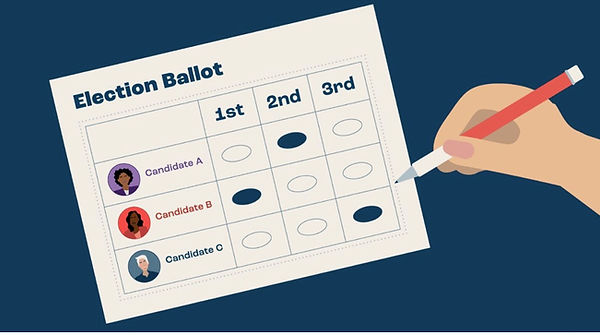
Under the current Los Angeles electoral system, city council incumbents who lose in the primary election can remain in office for six to nine months, creating an extended and inefficient "lame duck" period. This article highlights how adopting ranked-choice voting (RCV) via the city's Charter Reform process would solve this issue by consolidating the process into a single, high-turnout general election.
Following a 10-1 endorsement by the LA Charter Reform Commission, the RCV proposal is advancing toward potential inclusion on the November 2026 ballot. Beyond fixing the lame-duck problem, transitioning to a single RCV election would save the city approximately $500,000 per avoided runoff and alleviate the financial burden on LA's public campaign matching funds.
Additionally, RCV prevents wasted votes when candidates withdraw after early voting has begun—a scenario that resulted in over 27,000 wasted ballots during the 2022 mayoral race. Ultimately, the proposed reform would eliminate "lesser evil" voting, remove spoiler dynamics, and ensure that LA's election outcomes genuinely reflect the majority's true preferences.
Read the full opinion at https://www.citywatchla.com/state-watch/32719-la-charter-reform-how-ranked-choice-voting-ends-the-lame-duck-primary-problem